
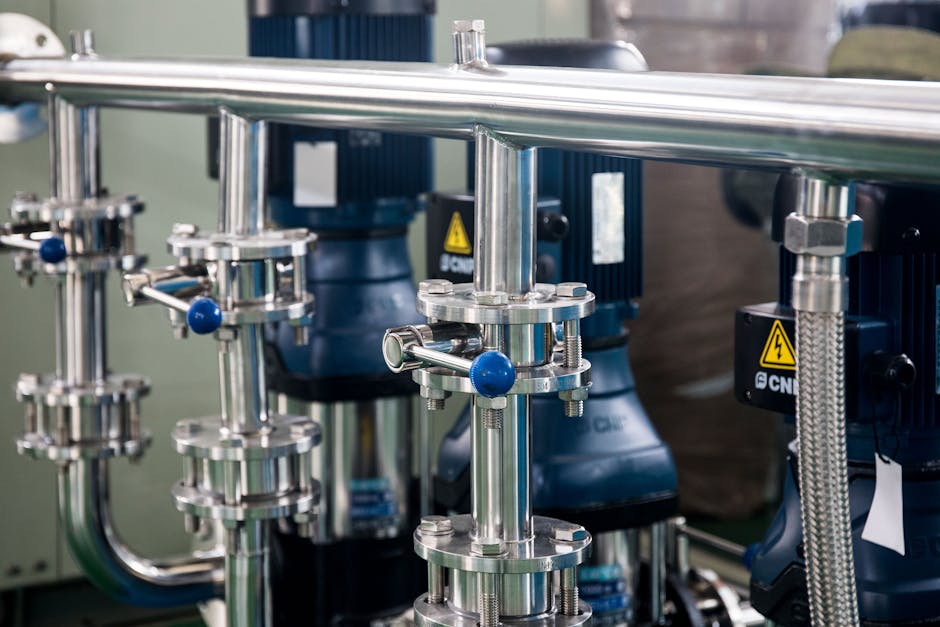
Fluid system integrity represents one of the most critical aspects of industrial operations across manufacturing, energy production, chemical processing, and countless other sectors. Essential Considerations for Fluid System Integrity must guide every decision from initial design through decades of operation, as even minor failures can result in catastrophic consequences including environmental damage, safety hazards, and significant financial losses. The modern industrial landscape demands systems that perform reliably under extreme pressures, corrosive environments, and temperature fluctuations that would challenge any component’s material limits. Engineers and facility managers face constant pressure to maintain zero-leak performance while balancing cost constraints and operational efficiency requirements.
The complexity of maintaining fluid system integrity extends far beyond simply connecting pipes and securing joints. Every interface point represents a potential failure zone where liquids or gases might escape, contamination might enter, or pressure differentials could cause structural damage. Industry statistics indicate that approximately sixty percent of unplanned shutdowns in process industries stem from seal and gasket failures, translating to billions in lost productivity annually. Understanding the fundamental principles that govern fluid containment allows you to make informed decisions about component selection, installation practices, and maintenance protocols. Temperature cycling alone can cause thermal expansion and contraction that gradually degrades sealing surfaces, while chemical exposure may attack gasket materials at the molecular level. This is why utilizing specialized solutions like ba 203 becomes essential for ensuring long-term durability and safety within these demanding environments.
Material selection and compatibility challenges
Choosing appropriate materials for fluid system components requires detailed knowledge of operating conditions and chemical exposure profiles. Temperature ranges dictate whether elastomers remain flexible or become brittle, while pH levels determine which metals resist corrosion versus those that deteriorate rapidly. Many facilities operate multiple fluid systems simultaneously, each requiring different material specifications based on the substances they contain. A gasket that performs flawlessly in steam service might fail catastrophically when exposed to aggressive solvents or acids. Similarly, metallic components suitable for hydrocarbon service may prove entirely inadequate for oxidizing environments or high-purity applications where contamination poses serious concerns.
Advanced sealing technologies have emerged to address the most demanding applications where traditional gaskets historically failed. Kammprofile gaskets combine the benefits of metallic strength with soft sealing material inserts, creating a hybrid solution that handles high pressures and temperatures while maintaining excellent sealing characteristics. These engineered gaskets feature a serrated metal core that concentrates sealing force at multiple contact points, significantly improving performance compared to flat gasket designs. The kammprofile gaskets construction allows them to maintain seal integrity even when flange surfaces show minor imperfections or when thermal cycling causes dimensional changes. This resilience makes them particularly valuable in critical applications where leak prevention justifies premium component costs.
Installation practices that determine long-term performance
Even the highest quality components fail when improper installation compromises their fundamental design characteristics. Bolt tightening sequences, torque values, and surface preparation all dramatically influence whether a gasket achieves its intended seal. Studies show that approximately seventy-five percent of gasket failures result from installation errors rather than material deficiencies. Many technicians apply excessive torque believing that tighter always equals better, when reality dictates that over-compression crushes gasket materials and creates stress concentrations that accelerate failure. Conversely, insufficient tightening leaves gaps where fluids escape, particularly when pressure fluctuations occur during normal operation.
Surface finish requirements vary significantly based on gasket type and application severity. Rough flange faces create leak paths that no gasket can adequately seal, while surfaces polished too smoothly may prevent proper gasket bite and allow slippage under pressure. The recommended finish for most applications falls between 125 and 250 microinches Ra, though specific circumstances may require tighter or looser tolerances. Flange alignment presents another critical variable that installers often overlook, as even slight angular misalignment concentrates stress on one side of the gasket while leaving gaps on the opposite side. Proper alignment tools and measurement techniques ensure parallel flange faces that distribute compression forces uniformly across the entire sealing surface.
Standards and specifications for critical applications
Industry standards provide essential guidance for ensuring fluid system integrity across diverse applications and operating conditions. The ba 203 standard addresses specific requirements for bolted flange connections in pressure vessel applications, establishing minimum performance criteria that protect both personnel and equipment. Compliance with recognized standards like ba 203 demonstrates commitment to safety and quality while providing legal protection when regulatory agencies investigate incidents or conduct routine inspections. These specifications typically cover material grades, dimensional tolerances, testing protocols, and documentation requirements that create traceable quality assurance throughout component lifecycles.
Different industries maintain sector-specific standards reflecting their unique hazards and operational demands. Pharmaceutical manufacturers must meet stringent purity requirements that prevent product contamination, while nuclear facilities face regulatory oversight that mandates redundant safety systems and extensive documentation. Chemical processors handling toxic or flammable materials operate under process safety management regulations requiring mechanical integrity programs with scheduled inspections and preventive maintenance. Understanding which standards apply to your specific situation prevents costly mistakes and ensures compliance with legal obligations. Many organizations adopt voluntary industry best practices that exceed minimum regulatory requirements, recognizing that superior reliability ultimately reduces total cost of ownership.
Monitoring and maintenance strategies
Proactive monitoring detects developing problems before catastrophic failures occur, transforming maintenance from reactive crisis management into planned interventions. Ultrasonic leak detection identifies tiny escapes that visual inspection misses, allowing repairs while systems remain operational rather than waiting for emergency shutdowns. Thermal imaging reveals hot spots indicating inadequate insulation or cooling issues that stress sealing components. Vibration analysis detects mechanical problems like pump cavitation or misalignment that generate forces never anticipated during original design calculations. These predictive technologies have revolutionized maintenance practices, with facilities reporting reliability improvements exceeding forty percent after implementing comprehensive monitoring programs.
Establishing appropriate inspection intervals requires balancing safety considerations against operational disruptions and cost constraints. Critical systems handling hazardous materials demand frequent inspection regardless of expense, while less severe applications allow longer intervals based on historical performance data. Documenting inspection findings creates trending information that reveals gradual degradation patterns, enabling condition-based maintenance that replaces components according to actual wear rather than arbitrary time schedules. How often should your facility inspect each fluid system connection? The answer depends on consequence of failure, operating severity, historical reliability, and regulatory requirements specific to your industry. Modern computerized maintenance management systems track inspection schedules, work history, and component genealogy, ensuring nothing falls through administrative cracks.
Addressing the human factors in system reliability
Technical excellence alone cannot guarantee fluid system integrity when human errors introduce variables that engineering calculations never considered. Training programs must extend beyond basic procedures to develop deep understanding of why specific practices matter and what happens when shortcuts bypass established protocols. Experienced technicians recognize subtle indicators like uneven bolt stretch or gasket surface anomalies that suggest potential problems, while inexperienced workers may miss these warning signs entirely. Building institutional knowledge requires mentoring relationships where veterans transfer hard-won expertise to newer employees before retirement eliminates that resource permanently.
Organizational culture profoundly influences whether employees prioritize quality and safety over schedule pressures and production targets. Facilities where management penalizes workers for raising concerns or slowing production to address potential issues inevitably experience higher failure rates than those fostering open communication and continuous improvement. What message does your organization send when preventive maintenance gets deferred to meet shipment deadlines? Equipment doesn’t care about production schedules, and deferred maintenance compounds into larger problems requiring more extensive repairs. Creating systems where reporting potential issues earns recognition rather than criticism encourages the vigilance that prevents small problems from escalating into major incidents. This process also involves the use of standards such as ba 203, which provide an additional level of reliability in maintenance and system integrity.
Emerging technologies and future developments
Innovation continues advancing fluid system integrity through novel materials, sensor technologies, and analytical techniques that seemed impossible just decades ago. Graphene-enhanced gasket materials promise superior chemical resistance and temperature capability compared to conventional options, while smart sensors embedded within sealing assemblies provide real-time performance data. Computational fluid dynamics modeling predicts flow patterns and pressure distributions with precision that guides optimal component placement and sizing. Three-dimensional printing enables rapid prototyping of custom sealing solutions for unique applications where standard products prove inadequate.
The integration of industrial internet of things devices transforms static fluid systems into intelligent networks that self-monitor and communicate performance status continuously. Wireless sensors eliminate costly wiring installations while providing data density impossible with traditional instrumentation approaches. Machine learning algorithms analyze vast datasets identifying failure precursors that human observers never recognize, potentially predicting problems weeks before physical symptoms appear. These technological advances require new skill sets combining traditional mechanical knowledge with digital literacy and data analytics capabilities. Organizations investing in workforce development alongside equipment upgrades position themselves to capitalize on these emerging capabilities, while those focusing solely on hardware miss opportunities for transformative performance improvements. Essential Considerations for Fluid System Integrity increasingly encompass both physical engineering and information technology domains, requiring multidisciplinary collaboration that breaks down traditional organizational silos separating these functions.
